



Blog: Google I/O + Google Marketing Live: Key Announcements & What They Mean For Marketers



Last updated on August 14, 2026
This year, the worlds of Google I/O and Google Marketing Live converged to deliver a singular, powerful message: “Google Search is AI Search.” The overwhelming theme was the complete incorporation of Gemini into every facet of the Google ecosystem, from the core Search experience to the mechanics of the Google Ads interface.
Table of Contents

Google framed its new AI-powered search box as its biggest update to search in over 25 years. This transition signals a new era for businesses, requiring a fundamental shift in strategy. Google unveiled major changes across media, creative, measurement, and SEO, all designed to make the search experience more dynamic, responsive, and ultimately, more effective. Here are the key announcements and what they mean for your business.
1. AI is Changing Search (and Ads)
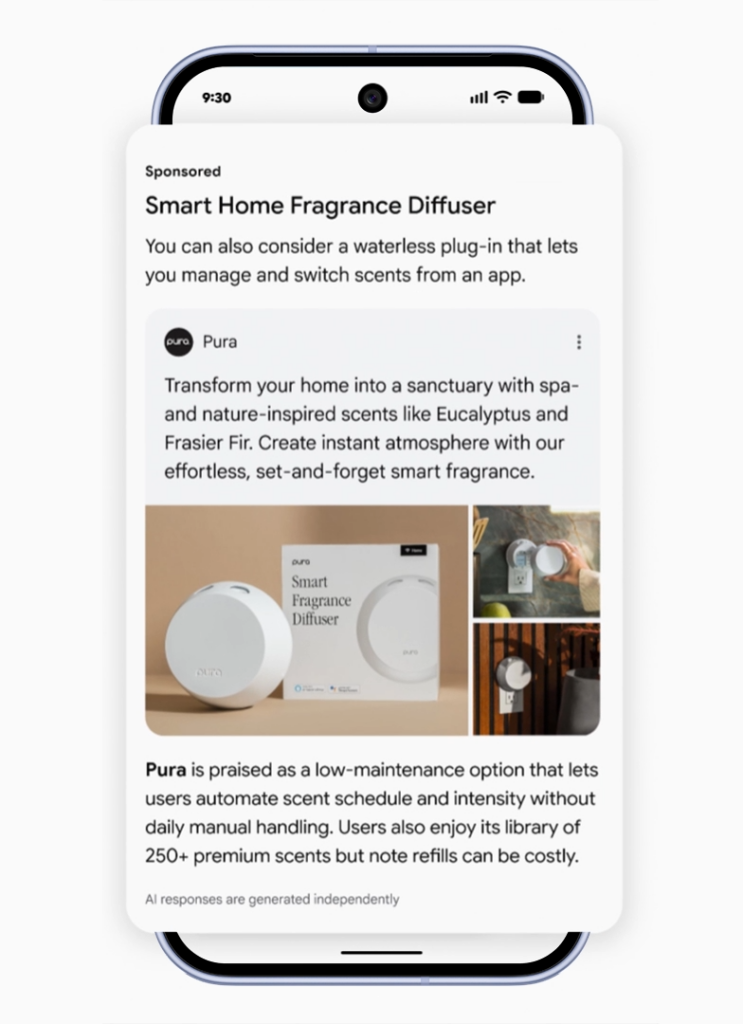
What was the announcement: Google Search is fundamentally transitioning into Google AI. Google is introducing the new intelligent Search box, which focuses on bringing easier access to its AI search features. This continues their push of AI overviews, with a more natural transition to AI Mode for more information, all powered by Gemini. Users are asking longer, more complex questions, and Google is adapting search ads to serve as direct, dynamic answers within these new AI search results.
- They also introduced “AI Briefs,” allowing you to build campaign guidelines using everyday language, and new “agentic ads” that can actually answer user questions and pre-fill lead forms right inside the search results.
How does it impact marketers: The traditional control marketers have had over keywords, match types, and ad copy is becoming less relevant as users engage in conversational search.
- Your biggest lever in this new era is feeding Google the right context—through your creative, product feeds, and website content—so its AI can accurately summarize your business and serve it to the exact right people.
2. YouTube Drives Real Revenue
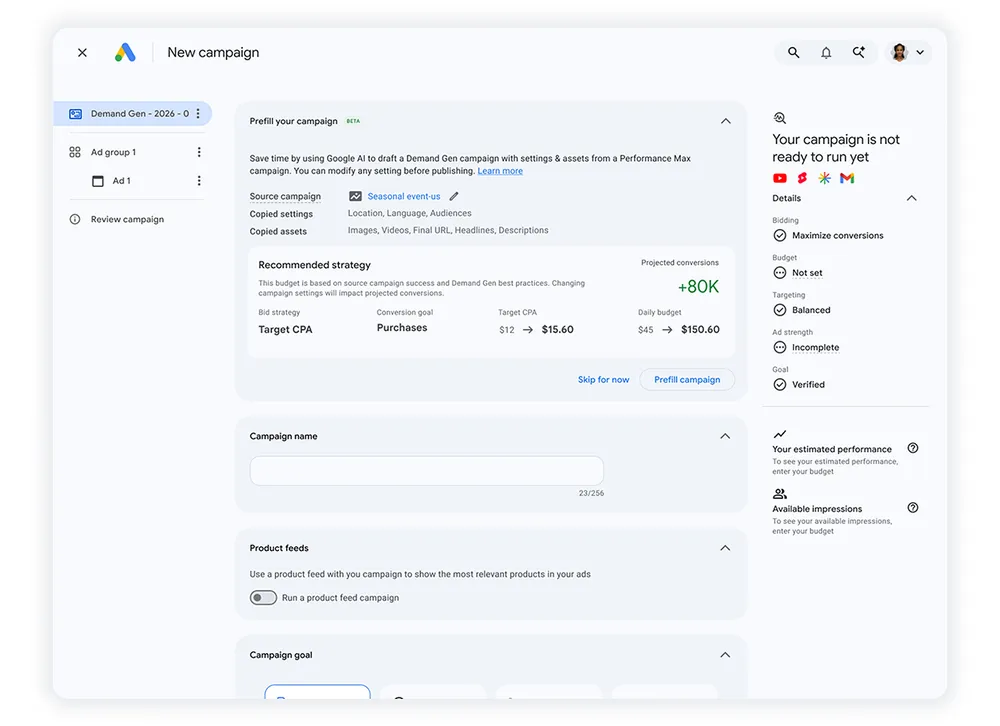
What was the announcement: YouTube now reaches over 90% of US adults and is present in 89% of purchase journeys. Google is expanding Demand Gen campaigns to be more creator-centric, allowing you to easily boost creator partnership videos directly during campaign setup.
- Google claimed YouTube drives more than double the long-term ROAS of TV and paid social. Google Demand Gen campaign placements are also expanding to Google Maps.
How does it impact marketers: YouTube can be a major growth engine for your business when it’s fueled by the right creative strategy and measurement approach.
- In Silverback’s incrementality tests, we’ve seen Demand Gen campaigns drive 6x ROAS and that Google was underreporting conversions by 300% in-platform.
- Google is rolling out new proxy metrics like Engaged View Conversions, Campaign Type Attribution and Attributed Branded Searches which are great leading indicators to track ahead of running a formal incrementality test to understand the impact on revenue.
- In addition to being a widely leveraged platform, YouTube is also one of the most influential websites for AI responses, and the #1 source for Google AI Overviews.
3. Better Creative on a Budget
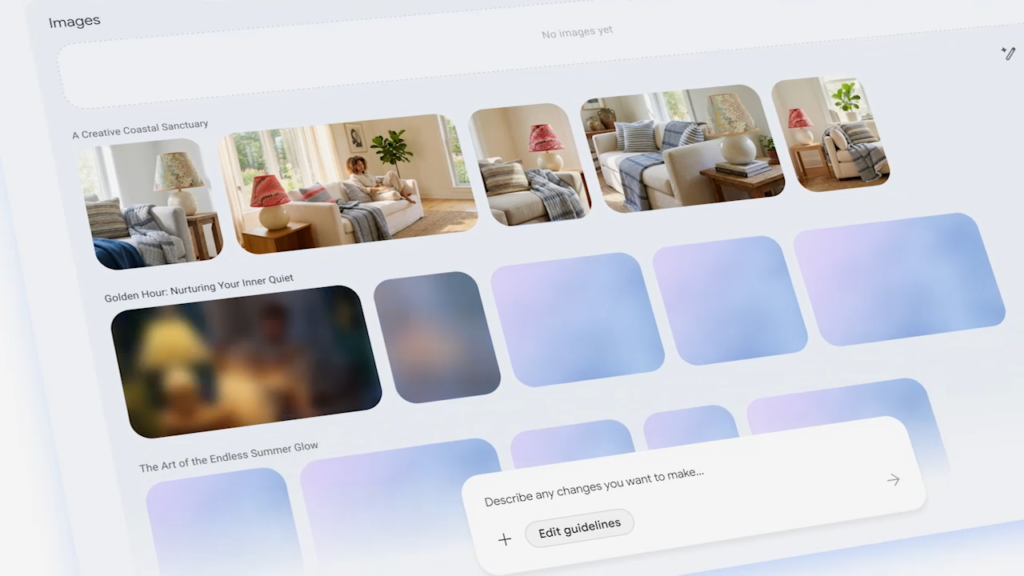
What was the announcement: Asset Studio is officially becoming Google’s AI creative hub. Google is collapsing creative briefing, generation, versioning, and optimization into a single workflow. This summer, they are bringing AI video creation directly into Google Ads using their Gemini Omni model, alongside a new 1-click A/B testing feature.
How does it impact marketers: AI isn’t just going to make ads faster; it requires you to be smarter. The brands that win here will be the ones with the strongest inputs: clearer audience insights, sharper offers, and strict brand guardrails. The new 1-click A/B testing is a great tool for turning your creative ideas into a disciplined, high-speed testing system.
4. Smarter Measurement to Prove Your Worth
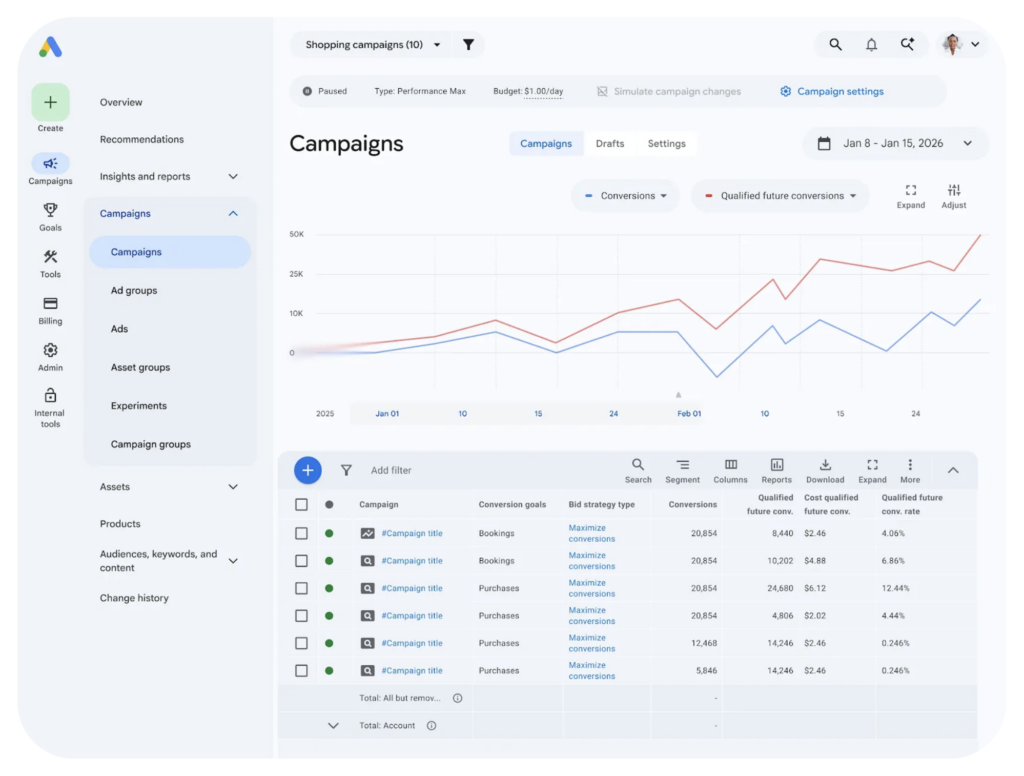
What was the announcement: Google is productizing advanced measurement tools. They introduced “Qualified Future Conversions” to track signals (like site visits and video views) up to six months out, and they are pushing Meridian GeoX—a tool that offers a more accessible version of geo-based incrementality testing (measuring if an ad actually caused a sale that wouldn’t have happened otherwise).
How does it impact marketers: The measurement methods we’ve recommended for years are finally going mainstream. GeoX signals feeding directly into Meridian media mix modeling (a way to see how all your marketing channels work together) is the right architecture for getting a defensible, CFO-ready view of your media performance.
- More importantly, as Google’s AI learns to optimize based on these true, causal signals instead of outdated last-click metrics, it will completely change performance.
5. Agentic Shopping within Google
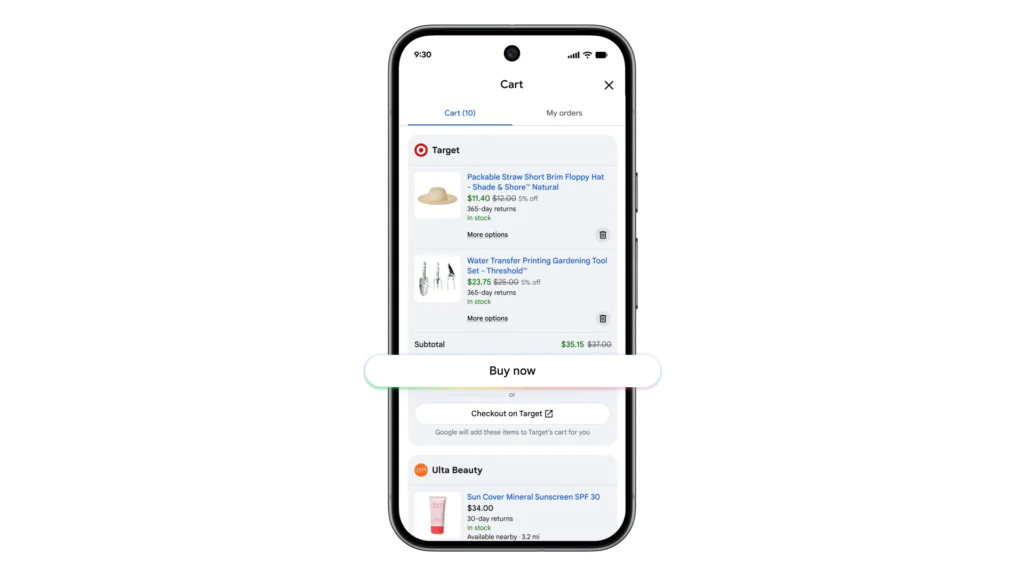
What was the announcement: Google introduced the Universal Commerce Protocol (UCP) and the Universal Cart. This acts as an intelligent shopping hub that tracks products across Search, the Gemini app, YouTube, and Gmail.
- Not an eCommerce business? Google also announced that UCP will be expanded into additional verticals. As an example, future experiences will allow users to book hotels directly from AI mode or order food from conversations directly within Google Maps. It’s clear that agentic solutions will be widespread across verticals in no time.
How does it impact marketers: Getting someone to buy shouldn’t be a hassle. UCP connects your live inventory, account info, and loyalty benefits directly to Google automatically.
- Customers can add your product to their cart while watching a YouTube review or reading an email, get alerted if the price drops, and check out instantly using Google Pay. No custom coding is needed on your end.
The Path Forward
These announcements from Google I/O and Google Marketing Live confirm that the rules of engagement for marketers have fundamentally changed. Conversational search, AI-driven creative, and sophisticated measurement are now standard. The winning brands in this new era will not be defined by who can blindly turn on the AI, but by those who approach it with strategy and discipline. Success hinges on providing the sharpest inputs—clear creative, clean product data, and precise brand guardrails—and establishing the discipline to test what actually drives revenue, moving beyond vanity metrics and outdated last-click models. It’s time to build a marketing architecture that doesn’t just survive the AI shift, but dominates it.